
Sooo…… if you have been on Instagram in the last few months, the conversations around racism in the crafting community are hard to avoid. For a really long time, I thought that when a person of colour was speaking about their experiences, my job was to be quiet and give them the floor. After all, I felt that they didn’t need me chirping my little white voice up to lend strength to what already seemed to me to be strong, powerful truths that needed to be said, and needed to be heard. My job was to listen, right? After all, I’m anxiously awaiting the 3rd season of Dear White People! Obviously I’m an ally, right?
Nope. That’s only one part of of the job, the easier part. In conversations both offline and in direct messages, it was clear that I needed to stand up and verbally support diversity and inclusion. So I did what I always do when I want to learn more about something – I read some books. (Although Dear White People is an excellent show on Netflix I highly recommend).
Racism isn’t just the obvious horrible stuff of burning crosses or spray painting racial slurs on the side of mosques or temples. It’s treating black, indigenous, and people of colour (BIPOC) as less than a white person. If you are a yarn shop owner and thought that a person of colour won’t buy as much yarn as a white person, that’s racism. If you told a crafter of colour that you’re surprised that ‘people like her’ knit/crochet/embroider or whatever, that’s racism. Because in both of those instances, you are not seeing her for a person just like yourself, you are seeing her as an ethnicity of which you have already decided certain things about. And I’m not saying to be mean, I saying it because as a white person, I had a really narrow definition of racism before reading more widely and thinking about the conversations happening online.

If you are white and want to figure out how to be an anti-racist ally, there are a lot of great reading resources out there that can really help- especially if you feel like you are afraid of saying the wrong thing. The last couple of months, I’ve been thinking through what I can do to be better, to be anti-racist. I don’t have it all figured out, but if you are looking to better understand the conversation and why it’s important to understand the subtle (and not so subtle) racism embedded in our everyday world, all it takes is a bit of reading and some thoughtful reflection.
A Few Posts to Get You Started:
Start here if you need to get a handle on the beginning of the conversation: a great article in Vox that is well researched and sourced.
Wooly Ventures wrote a great post about reflecting on her travels and some of the othering she did without realizing it (evaluating other countries and cultures through a white lens; been there, my friend.)
Shireen reflects on a racist conversation she overheard in the ladies room at a knitting event.
Some Great Books That Are Probably in Your Local Library (even better to buy them and support the authors, if you can afford it!)
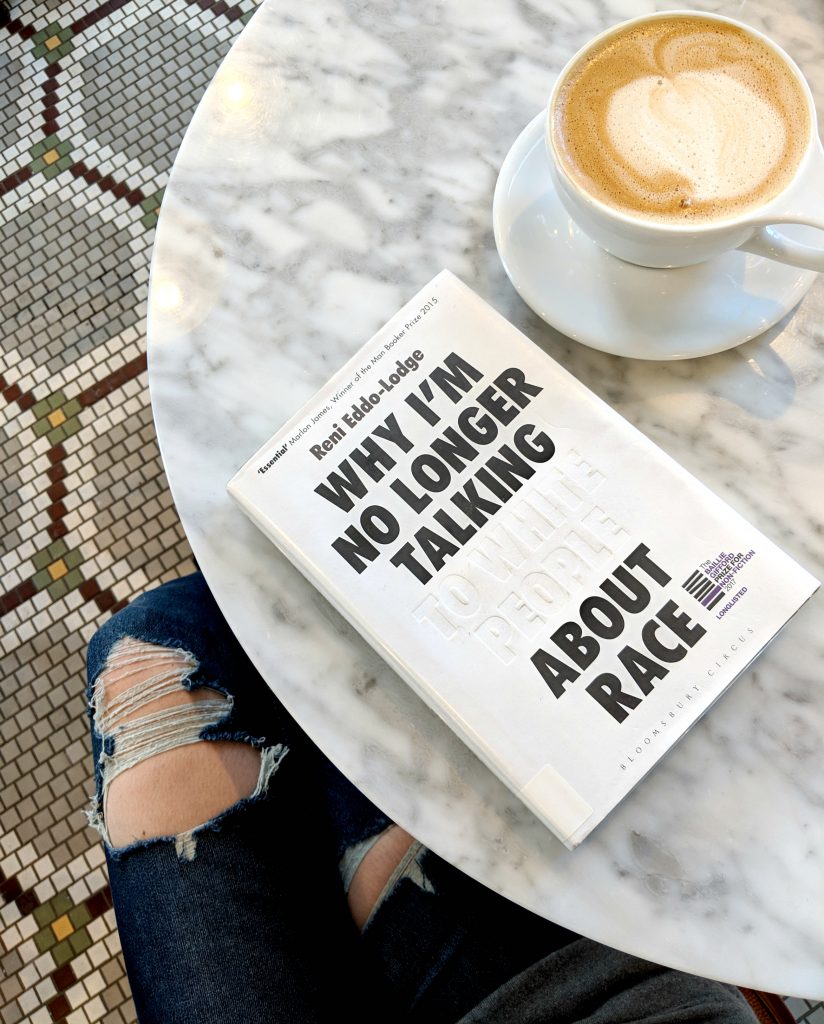
Why I’m No Longer Talking to White People About Race
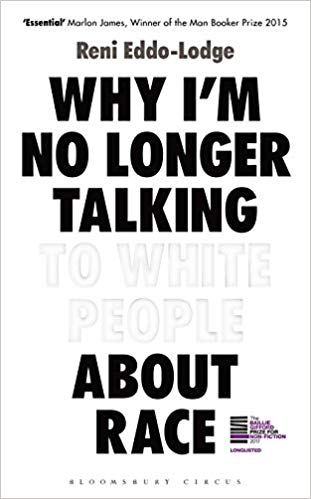
This was the first book I read, and while it focuses on racism in Britain, it applies all over. Very engaging and accessible, and a great dissection of racism and the white denial that supports it.
So You Want to Talk About Race
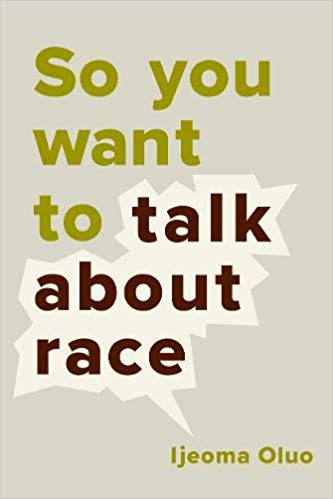
An American perspective of the above- an honest reflection of race and racism in America, and how it infiltrates almost every aspect of American culture.
White Fragility: Why It’s So Hard for White People to Talk About Racism
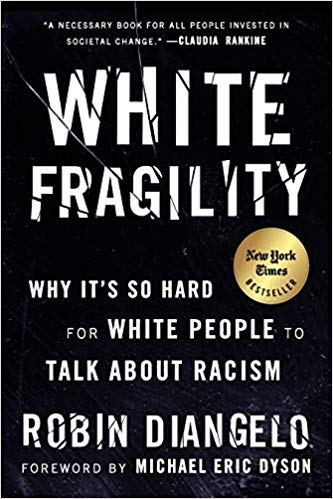
This book examines the defensiveness that so many white people feel when conversations about race are happening, and how white silence contributes to ongoing racism. It’s a great choice if you feel yourself getting really defensive about the conversation, and want to better understand your feelings.
And Layla F. Saad’s Me and White Supremacy Workbook, which is an amazing self-discovery tool to work through white privilege. It showed how complicit we are in the many subtle ways racism is woven into our everyday interactions and cultural biases. I know the title is uncomfortable, but that’s the point- trying to dismantle racism shouldn’t be about keeping white people comfortable. Growth is uncomfortable by its very nature, but without growth, we stagnate. We never get to see how interesting and beautiful another perspective can be.
If You Are a Business…..
If you are a craft or yarn company and want a good example of how to be an ally, take a look at how Tin Can Knits voiced their thoughtful reflections on how to be more anti-racist.
And finally… if you are selling products and trying to capitalize on the recent focus on racism, diversity, and inclusivity in the crafting world; then you need to rethink your strategy. The recent situation of Madelinetosh creating a yarn colourway called ‘Inclusive’ came across as being racist all by itself, and also trying to profit off the conversation. If you’ve missed this raging misstep from a company that is big enough and old enough to know better, You can check out the colourway here (note the closed comment section), then the first apology post (comments this time!) and the third is here.
By the way, the book links are not affiliate links. See previous paragraph about not profiting off the conversation. 😉